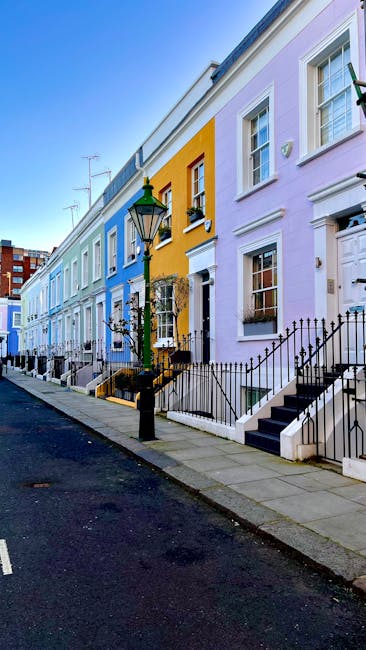
Fulham Palace Road W14 removals and building access advice
If you are planning a move on or near Fulham Palace Road in W14, the real challenge is often not the boxes. It is the access. Narrow entrances, shared hallways, lift bookings, parking pressure, and the small surprises that come with London streets can turn a straightforward move into a long, tiring day if you do not plan ahead. This guide to Fulham Palace Road W14 removals and building access advice is written to help you avoid that kind of headache.
Whether you are moving from a flat above a shop, a mansion block, a townhouse conversion, or a managed apartment building, the same principle applies: good access planning saves time, protects property, and keeps everyone calmer. That sounds obvious, but in the middle of a moving day it is easy to miss the little things. A doorway too tight for the sofa. A lift that must be booked two days in advance. A loading bay that disappears by 8:30am. You know the sort of thing.
Below you will find practical, local-minded advice on how removals on Fulham Palace Road tend to work, what access issues matter most, and how to prepare properly so the move runs with less stress and fewer delays. We also cover useful checklists, common mistakes, compliance considerations, and a real-world example to make the whole process feel more manageable.
Table of Contents
- Why Fulham Palace Road W14 removals and building access advice Matters
- How Fulham Palace Road W14 removals and building access advice Works
- Key Benefits and Practical Advantages
- Who This Is For and When It Makes Sense
- Step-by-Step Guidance
- Expert Tips for Better Results
- Common Mistakes to Avoid
- Tools, Resources and Recommendations
- Law, Compliance, Standards, or Best Practice
- Options, Methods, or Comparison Table
- Case Study or Real-World Example
- Practical Checklist
- Conclusion
- Frequently Asked Questions
Why Fulham Palace Road W14 removals and building access advice Matters
Fulham Palace Road runs through a busy part of west London, and that alone makes access planning worth taking seriously. Traffic timing, shared kerb space, delivery vehicles, busier morning periods, and a mix of building types all affect how a removal goes. A move may look simple on paper, yet the route from van to front door can be the bit that causes the delay.
The reason this matters is practical. A removal team can only move as fast as the site allows. If access is poor, the team may need to make more trips, carry furniture further, or wait while you sort out a gate code or lift booking. That adds time, stress, and in some cases cost. Nobody wants the team stood around in the rain with a wardrobe awkwardly balanced in the corridor. Truth be told, that is the sort of day everyone remembers for the wrong reasons.
Good building access advice is not just about avoiding inconvenience. It is about protecting walls, floors, stair edges, banisters, and your own time. On a street like Fulham Palace Road, where properties can vary from period conversions to newer developments, the access plan needs to be specific to the building rather than generic advice copied from somewhere else.
If you are also organising storage, a multi-stage move, or a more complex home relocation, it can help to look at broader planning support too. Some people start with a dedicated removals service overview and then work through access, timing, and packing from there. Others need more specialised help with delicate items or a combined house-and-office move. It depends on the move, really.
How Fulham Palace Road W14 removals and building access advice Works
The process usually starts with a simple question: what kind of building access are you actually dealing with? That means looking at the layout of the property, the street outside, and any building rules that apply. A flat on the second floor with a shared staircase is very different from a ground-floor maisonette with a private side entrance. Seems obvious, but it is often missed until moving day.
In practice, access advice covers a few core areas:
- where the vehicle can stop safely and legally
- how far the team will need to carry items
- whether there are steps, tight turns, or low ceilings
- how lifts, intercoms, fobs, or concierge desks work
- what time the building allows moves to happen
- whether neighbours, managers, or landlords need notice
Once those points are clear, a removal plan becomes much more reliable. The team can decide what equipment may be needed, whether larger furniture should be dismantled, and whether a smaller vehicle might actually be better than a larger one because it can park closer. Sometimes the fastest option is not the biggest van. That surprises people now and then.
It also helps to understand how access and packing work together. Well-packed boxes are easier to carry through narrow stairwells. Disassembled furniture is safer in tight spaces. Fragile items that are clearly labelled are less likely to be turned at awkward angles in a hurry. If you need help with the packing side, you may find it useful to review a guide on packing services and preparation before moving day gets too close.
In more complex cases, building access advice may involve a pre-move walk-through or at least a very detailed phone assessment. Photos of entrances, staircases, and parking restrictions can be more useful than a long description. A quick image of the front door, the lift, or the loading area often tells a remover more than ten minutes of guesswork.
Key Benefits and Practical Advantages
Getting access advice right brings benefits that go beyond convenience. Here are the main ones, in plain English.
- Less delay on the day. If the vehicle can load and unload close to the entrance, the move tends to run more smoothly.
- Lower risk of damage. Fewer awkward lifts and fewer tight squeezes reduce the chances of scuffed paint, chipped furniture, or damaged floors.
- Better planning for the crew. The team can bring the right tools, plan the right order, and avoid nasty surprises.
- Less stress for you. When you already know where keys, codes, and parking arrangements are sorted, you are not chasing people while the van is waiting outside.
- More accurate quotes. A remover can estimate time and labour more sensibly when access details are clear.
There is also a quieter benefit that people underestimate: confidence. Once you know the route in and out of the property, the whole day feels more under control. And on a London street with traffic moving past and neighbours coming and going, that calm matters more than you might think.
If you are moving a business as well as a home, or even moving between mixed-use spaces, coordination matters even more. In those cases, a removals plan may need to sit alongside a wider business move or specialist logistics plan. A useful starting point is often a service page like office removals if desks, files, or IT equipment are involved.
Who This Is For and When It Makes Sense
This advice is relevant if you are a tenant, homeowner, landlord, letting agent, estate manager, or business occupier dealing with a move on Fulham Palace Road or nearby W14 streets. It is especially useful if your property has any of the following:
- shared hallways or common parts
- controlled access or keypad entry
- restricted parking or no stopping directly outside
- upper floors without a lift
- large furniture that will need careful handling
- timed building access or concierge rules
It also makes sense if you are moving on a deadline. End-of-tenancy moves, completion-day moves, and office relocation days leave little room for improvisation. That is where building access advice earns its keep. A 15-minute delay can ripple through the whole afternoon.
For families, the value is obvious. For landlords and managing agents, it is just as important because damage claims and neighbour complaints can become messy quickly. For businesses, access planning helps prevent lost hours and protects stock, equipment, and data. To be fair, everyone benefits from the same thing: fewer unknowns.
If your move involves temporary storage, it may be worth planning that early too. A staged move can reduce pressure on access arrangements if the property is cluttered or if keys are not available at the exact same time as the van. In some cases, the smoothest route is a combination of removals and storage rather than trying to do everything in one frantic sweep.
Step-by-Step Guidance
Here is a practical way to approach a Fulham Palace Road move without missing the small but important details.
1. Check the building rules first
Start by asking whether the building has any rules about moving times, lift reservations, floor protection, or contractor sign-in. Some buildings are relaxed; others are very particular. Neither is unusual. The key thing is to know before you book the move.
2. Measure the access points
Measure doorways, stair widths, lift dimensions, and tight corners. If you have a large sofa, wardrobe, or bed frame, check whether it will need dismantling. A quick measurement can save a lot of awkward repositioning later. You do not want to discover the headboard is wider than the stair landing when two people are already halfway up it.
3. Review parking and stopping options
Look at the street outside the property and decide where a vehicle can stop. On busier parts of Fulham Palace Road, this can be the difference between a straightforward load and a long carry. If access is likely to be limited, let the removals team know early so they can plan accordingly.
4. Give the removal team accurate details
Be specific. Tell them about steps, intercoms, concierge desks, lift booking times, and anything that might slow things down. It is better to overshare a little than to assume a remover will guess correctly. A simple photo set often helps more than a vague "it should be fine".
5. Protect the route inside the building
Ask whether floor protection, corner guards, or door protection should be used. In managed buildings, this may be required. Even where it is not mandatory, it is a sensible precaution. Hallways can be narrow, and freshly painted walls show marks very easily.
6. Prepare the items that are hardest to move
Anything bulky, fragile, or awkward should be handled first in the planning stage. That includes mirrors, glass shelves, heavy wardrobes, pianos, and oversize appliances. If something needs specialist handling, say so. Do not leave it to chance.
7. Confirm the day-before details
The evening before the move, confirm keys, contact numbers, parking arrangements, and any access codes. Small admin, big effect. Honestly, this is one of those boring tasks that pays for itself.
8. Keep essentials separate
Have a small bag with documents, chargers, medication, keys, snacks, and water. On a long moving day, that bag is gold. There is nothing glamorous about it, but it keeps the day from feeling chaotic.
Expert Tips for Better Results
Here are a few practical tips that make a noticeable difference on real moving days.
- Use photos, not assumptions. A picture of the front entrance, stairwell, or parking space can prevent misunderstandings.
- Book lifts early if the building allows it. Shared lifts are usually the first bottleneck in apartment moves.
- Label awkward items clearly. "Fragile," "this way up," and "dismantled parts inside" are simple labels, but they help.
- Separate the easy items from the problem items. Give the team a clean run at the heavier pieces first, before the route gets cluttered.
- Check the weather. Rain changes everything. Wet steps, slippery pavements, and damp cardboard are all part of a classic London move, sadly.
- Keep neighbours informed where sensible. A short heads-up can reduce complaints if common areas will be busy for a few hours.
One thing people often forget: access is not just about the front door. It includes the path from the vehicle to the property, the route through the building, and the exit route at the other end. If any one of those is awkward, the whole job slows down.
If you are moving especially valuable, heavy, or delicate belongings, you may want to review a more specialist service such as piano removals or other delicate-item support where appropriate. Not every move needs that, of course, but when it does, it is better to plan early than to improvise under pressure.
Common Mistakes to Avoid
Most moving problems are avoidable. That is the annoying part, but also the good news. Here are the mistakes that most often cause trouble.
- Assuming parking will sort itself out. It usually does not.
- Forgetting about lift size or booking times. A lift that is too small or unavailable can derail the schedule.
- Not measuring furniture. People often measure rooms, but forget the sofa.
- Ignoring common parts protection. Shared hallways can be damaged quickly if items are carried without care.
- Leaving keys, fobs, or codes with someone unavailable. That tiny error can stop everything.
- Underestimating the walk from vehicle to door. A short-looking route can become a long one when repeated dozens of times.
Another mistake is not building a little time buffer into the schedule. Even a well-planned move can be slowed by traffic, a missing key, a neighbour blocking access, or a lift held by another contractor. A bit of breathing room helps. No one likes staring at the clock while a sofa is still outside.
And yes, sometimes people pack too late. We have all seen that last box being taped shut in the hallway while the team waits politely at the bottom of the stairs. It happens. It just should not happen if you can help it.
Tools, Resources and Recommendations
You do not need a complicated toolkit to improve access planning. A few simple things are usually enough.
- Measuring tape: useful for doors, hallways, furniture, and lifts.
- Phone camera: for quick photos of access points, parking spaces, and stairs.
- Sticky labels or marker pens: to identify fragile boxes and dismantled parts.
- Floor covers or protection materials: often supplied by removal teams where needed.
- Checklist notes: a simple written list of contacts, codes, and times saves a lot of stress.
For people who want a fuller moving plan, it may be worth reviewing related support pages as part of your decision-making. For example, home removals is a helpful place to understand broader domestic moving support, while man and van services can suit smaller or more flexible moves where access is tight and the load is lighter.
If you need to move belongings into storage first, a service such as storage solutions can help create a less pressured schedule. That is especially useful when completion dates shift or when a building only allows access in a limited window.
For readers comparing service levels or looking for reassurance about reliability and process, a page like about us or contact us can be a sensible next step. It is often easier to trust a move once you know who you are dealing with and how the process is handled.
Law, Compliance, Standards, or Best Practice
Moving in London often touches on practical compliance rather than one single rulebook. Exact requirements can vary by building, landlord, managing agent, or local street conditions, so it is wise to check the details for your own property rather than assuming a standard approach will fit every case.
Common best-practice areas include:
- following any building access or booking rules set by management
- respecting any load-in/load-out windows
- avoiding obstruction of pavements, entrances, or emergency routes
- using sensible manual handling practices for heavy items
- protecting common parts and private property during the move
Manual handling deserves particular care. Heavy lifting, twisting, and carrying awkward items up stairs all carry risk. A professional crew should plan lifts carefully, work in pairs where needed, and use appropriate equipment. That is standard good practice, not a luxury.
There may also be building-specific health and safety expectations, especially in managed blocks. If a concierge or building manager asks for advance notice, ID, contractor details, or insurance confirmation, that is normal. It is usually not red tape for the sake of it; it is there to keep the move orderly and reduce damage or disruption. A bit of patience goes a long way.
Where access is tight, it is sensible to agree in advance how any damage concern would be reported. Clear communication before the move is always better than a vague dispute after it. That is just good housekeeping, really.
Options, Methods, or Comparison Table
Different moves call for different approaches. Here is a simple comparison to help you think through the most common options.
| Method | Best for | Access considerations | Main advantage |
|---|---|---|---|
| Full-service removals | Larger homes, busy schedules, complex access | Good where lifts, stairs, or parking need careful planning | Less stress and more support on the day |
| Man and van | Smaller moves, student moves, partial relocations | Useful where access is tight and timing is flexible | Practical for lighter loads and short-notice jobs |
| Packed and moved in stages | Moves with storage or delayed handover | Helps when the building has limited access windows | Reduces pressure on one single moving day |
| Specialist item handling | Pianos, antiques, heavy or delicate items | Important where stair access or tight turns make handling harder | Protects valuable or awkward items better |
The right option depends less on the label and more on the building. A smaller, more agile setup can sometimes beat a bigger operation if the access is awkward. People often think "bigger van equals easier move", but that is not always true.
Case Study or Real-World Example
Here is a realistic example based on the kind of situation many people face on Fulham Palace Road.
A couple were moving out of a third-floor flat with a shared stairwell and no lift. The flat was in a managed building with a narrow entrance lobby, and the road outside had limited stopping space during the morning rush. They assumed the move would be fine because the flat itself was not especially large. The issue was not volume. It was access.
Once they measured the stairs and sent photos of the entrance, it became clear that the wardrobe and sofa would be the problem items. The removals plan changed slightly: the wardrobe was dismantled in advance, the sofa was scheduled first, and the team was briefed on where a vehicle could stop safely. The building manager was given notice, and the move time was arranged to avoid the busiest part of the street.
What changed? The move became calmer and faster. There was still a bit of carrying, still the usual London traffic noise outside, and a couple of trips with boxes up and down the stairs. But there was no last-minute panic, no awkward arguing about parking, and no damage to the hallway walls. In the end, that is what access planning is really for: making an ordinary move feel ordinary.
Not dramatic. Just efficient. And if you have ever moved in London, you will know that counts for a lot.
Practical Checklist
Use this checklist a few days before moving day, then again the evening before.
- Confirm the moving date and access time window
- Check whether the building requires advance notice
- Book the lift if one is available
- Measure doorways, stairs, and any large furniture
- Identify where the vehicle can stop
- Check for parking restrictions or loading limits
- Share gate codes, intercom details, or fobs with the team
- Protect floors, corners, and hallways where needed
- Label fragile items and dismantled parts clearly
- Pack a separate essentials bag
- Keep phone numbers for the building contact and removals team handy
- Tell neighbours if the move may affect shared areas
- Do a final walk-through for forgotten items
Expert summary: the best Fulham Palace Road moves are not the fastest-looking ones at the start. They are the ones where access, timing, parking, and building rules have already been worked through before anyone lifts a box.
If your move is approaching and you want a smoother experience, the most useful next step is to speak with a removals team that can assess the building properly and help you map out the access. A short conversation now can save a long afternoon later. And honestly, that is usually time well spent.
Get a free quote today and see how much you can save.
Conclusion
Fulham Palace Road W14 removals and building access advice is really about reducing friction. Once you understand the route from van to front door, the lift rules, parking realities, and the building's own expectations, the move becomes much more manageable. Not easy, exactly. But manageable.
That is the difference between a moving day that feels like a scramble and one that feels organised enough to breathe through. If you plan the access well, pack with a bit of structure, and keep communication clear, you give yourself a much better chance of a calm, efficient move. A small bit of preparation goes a long way, especially in west London.
And when the last box is in, the kettle is on, and the street noise fades for a moment, you will be glad you took the time to get the details right.
Frequently Asked Questions
What should I check first for a move on Fulham Palace Road?
Start with building access, parking, and any rules about moving times. If you know where the vehicle can stop and how items will reach the property, the rest of the plan becomes much easier.
Do I need to book a lift for my move?
If your building has a shared lift, booking it is often a very good idea. Some buildings require it, and even where they do not, it helps prevent delays caused by other residents or contractors.
How far in advance should I arrange removals and access advice?
As early as you reasonably can. For simple moves, a little advance notice may be enough. For flats, managed buildings, or completion-day moves, earlier planning is much safer.
What if there is no parking right outside the property?
That is common in London. A removal team can often work with a nearby stopping point, but it may affect timing and the number of trips. It is best to explain the parking situation clearly before the move.
Can removals teams handle narrow stairs and tight hallways?
Yes, but the access details need to be known in advance. Tight stairwells may mean items need to be dismantled or carried in a particular order. Good planning makes this much safer.
What items usually cause the most access problems?
Large sofas, wardrobes, beds, mirrors, and heavy appliances are common troublemakers. They are often the items that need the most careful measurement and handling.
Is it worth sending photos of the property before moving day?
Absolutely. Photos of entrances, stairs, lifts, and parking spaces help removals teams judge access much more accurately than a description alone.
How do I protect shared areas in a block of flats?
Floor protection, corner guards, and careful handling are the usual starting points. Some buildings have their own requirements, so it is sensible to ask the manager or landlord what is expected.
What if my move involves storage as well?
Then you may want to plan the move in stages. Storage can reduce pressure if handover times do not line up neatly or if the property is not ready all at once.
Can access issues affect the cost of removals?
They can, because awkward access may take more time or labour. A clear description of the building and street access helps produce a more accurate quote from the start.
Should I tell neighbours about the move?
If the building is shared or the street is tight, a short heads-up is a considerate move. It can help reduce friction if hallways, entrances, or parking are busy for a few hours.
What is the single best thing I can do to make the move easier?
Give accurate access information early. That one habit prevents a surprising number of problems, from the wrong vehicle size to avoidable delays at the front door.