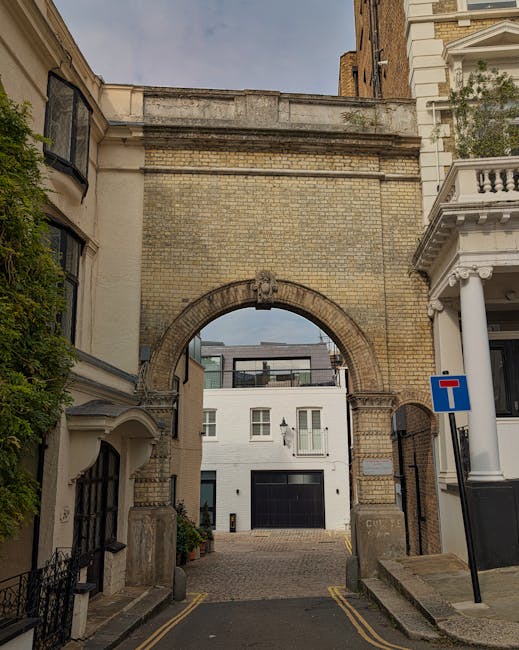
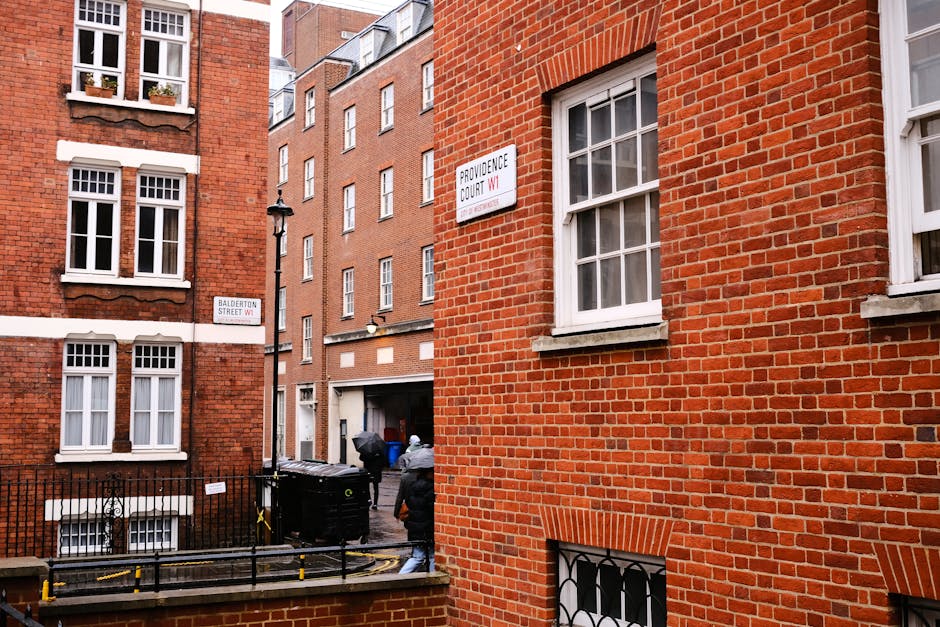
Earls Court removals and packing tips for narrow streets: a practical guide for moving well in a tight London setting
Moving home in Earls Court can feel simple on paper and a bit more complicated in real life. The streets are busy, parking is tight, stairwells can be awkward, and you may be dealing with period buildings, basement flats, and neighbours who can hear a door close from three floors away. That is exactly why Earls Court removals and packing tips for narrow streets matter so much. A good plan saves time, protects your belongings, and reduces the little stresses that tend to pile up on moving day.
This guide brings together the practical side of moving in a dense part of West London: how to pack for tight access, what to do about fragile items, how to think about access and loading, and the small details that make a big difference. If you are comparing services as well, you may want to look at professional removals support alongside this advice, because the right help can make narrow-street moving far less chaotic. Truth be told, the best moves in Earls Court are usually the ones that look boring from the outside. That is a compliment.
Whether you are moving out of a mansion block, a townhouse, or a compact flat with one lift that seems to have a mind of its own, the goal is the same: get everything out safely, without blocking the street or turning your day into a long improvisation.
Table of Contents
- Why Earls Court removals and packing tips for narrow streets Matters
- How Earls Court removals and packing tips for narrow streets Works
- Key Benefits and Practical Advantages
- Who This Is For and When It Makes Sense
- Step-by-Step Guidance
- Expert Tips for Better Results
- Common Mistakes to Avoid
- Tools, Resources and Recommendations
- Law, Compliance, Standards, or Best Practice
- Options, Methods, or Comparison Table
- Case Study or Real-World Example
- Practical Checklist
- Conclusion
- Frequently Asked Questions
Why Earls Court removals and packing tips for narrow streets Matters
Earls Court has a lot going for it: central location, good transport links, a mix of converted flats and terraces, and plenty of people moving in and out for work, study, or a change of pace. The downside is that the local layout can make moving far less straightforward than in an area with wide roads and easy parking. Narrow streets, resident permit zones, occasional double parking, and limited space for a van to wait all add pressure.
That pressure usually shows up in three places. First, access: can a removal van stop close enough to avoid lots of carrying? Second, packing: are your boxes manageable enough to move through tight hallways and staircases? Third, timing: can the move be completed without causing a chain reaction of delays? A well-packed house is much easier to move through a narrow entrance or down a cramped stairwell. A poorly packed one becomes a game of risk, and nobody wants to be holding a half-open box of plates while balancing on a basement step.
There is also a neighbour factor. In busy London streets, moving day can affect people around you, even if you are careful. Clear communication, sensible parking, and efficient loading help keep things civil. That matters more than people think. A smooth move is not only about your belongings; it is also about managing the environment around them.
If you are dealing with a bigger property, or a move with multiple rooms and lots of furniture, it can help to understand the wider process too. Useful background on broader planning can be found in house removals, especially if you are deciding how much of the move you want to handle yourself.
How Earls Court removals and packing tips for narrow streets Works
At a practical level, moving in a narrow-street area is about reducing friction. The fewer times items need to be lifted, turned, squeezed, or re-taped, the better. In Earls Court, that often means planning the move around access rather than just the inventory. A sofa that fits through a doorway still might be a headache if it has to turn sharply at the top of a staircase.
The process usually works best in four layers:
- Assess the route from property to van, including stairs, lifts, shared entrances, and any tight corners.
- Pack for handling, not just for storage, so boxes stay compact, balanced, and easy to carry.
- Schedule around the street, including parking restrictions, busy school-run periods, and likely loading congestion.
- Label for speed, so the team knows what is fragile, what is urgent, and what can wait until last.
In real terms, that might mean setting aside a separate box for screws, lightbulbs, cleaning cloths, and kettle essentials, while keeping heavy books in smaller cartons rather than one heroic mega-box that nobody will enjoy carrying. To be fair, the mega-box is often where the trouble starts.
Good removal companies will often ask questions about access before moving day. If they do not, that is a little warning sign. They should want to know about stair counts, parking options, whether furniture needs dismantling, and whether there is a time window for loading. That information helps them send the right team and vehicle.
Key Benefits and Practical Advantages
Doing this properly has benefits that go well beyond simple convenience. In narrow streets, even small gains in efficiency can have a big impact on the day.
- Less risk of damage to walls, bannisters, furniture, and boxed items.
- Faster loading and unloading, which matters when parking time is limited.
- Lower physical strain because boxes are smaller, lighter, and easier to handle.
- Better control of fragile items during short but awkward carries.
- Less stress for everyone involved, including neighbours and the removal team.
There is also a financial angle, even if it is not always obvious. Better packing and cleaner access planning can reduce wasted time. Time is not just time on moving day; it is also the time spent re-taping boxes, finding missing cables, or trying to work out where a lamp shade was put. A little order early on can save a lot of faffing later.
For people who are moving on a deadline, such as a tenancy handover or a same-day completion, good packing discipline can be the difference between a controlled day and a late scramble. If you need support beyond the move itself, packing services can be a practical option, especially if work, childcare, or last-minute logistics are already eating into your week.
Who This Is For and When It Makes Sense
This approach is useful for anyone moving in or out of Earls Court, but it is especially relevant for a few common situations.
- Flat moves in converted buildings with tight stairs or narrow hallways.
- Tenants with fixed move-out times who need a fast, tidy exit.
- Families moving furniture-heavy homes where access is more awkward than expected.
- People with fragile or valuable items who want careful handling.
- Anyone moving without a driveway or loading bay, which is very common in central London.
It also makes sense if you are planning a partial move, such as taking only the larger furniture and handling boxes yourself. In that case, the packing strategy becomes even more important because the items you do move need to be ready for a fairly intense journey from front door to van. Narrow streets do not forgive messy planning. Not much does, really.
If your move involves storage, staging, or a delay between leaving one property and entering the next, you may want to browse storage options as well. It is one of those things people often leave too late.
Step-by-Step Guidance
Here is a practical way to approach the move without overcomplicating it. This is the part where preparation earns its keep.
1. Measure the awkward bits first
Measure doorways, stair turns, lift dimensions, and any low ceilings or tight landings. Large wardrobes, mattresses, and sofas are the usual problem items. If something is borderline, plan to dismantle it. Do not assume muscle alone will fix the geometry. It rarely does.
2. Map the access route
Walk from the front door to the street and notice the pinch points. Is there a low wall, a step, a narrow gate, a bend where a box might catch? These little details matter more than people expect. A minute spent checking can prevent ten minutes of slow shuffling and one awkward scrape.
3. Pack by weight, not just by room
Books, bottles, tools, and files should go in smaller boxes. Light but bulky items such as bedding, cushions, and coats can fill larger boxes. That keeps the loads balanced and makes carry distances much safer. A box should feel firm and manageable, not sagging in the middle like it is already regretting the day.
4. Protect fragile items properly
Wrap glass, ceramics, and picture frames with enough cushioning that a short knock will not matter. Use dividers for glasses, and keep plates upright rather than flat where possible. Label these boxes clearly on more than one side, because once they are stacked in a hallway, the visible side may not be the one you intended.
5. Build a first-night box
Keep essentials separate: phone chargers, toiletries, basic kitchen items, medication, tea or coffee, a change of clothes, and cleaning spray. In a moving day that ends at dusk, this little box can feel surprisingly important. When the kettle is found quickly, morale improves. Simple as that.
6. Reserve the most accessible items for last
Load items that you will not need until the end of the day first, and keep the most delicate or frequently used items near the front of the loading plan. This reduces the chance of repeatedly moving things around in a tight street. Every extra shuffle costs energy.
7. Confirm parking and timing
In Earls Court, the street can dictate the schedule. If parking is limited, make sure the team knows where the van can realistically stop and how long it is likely to be there. A small delay in finding space can snowball. It happens more often than people like to admit.
Expert Tips for Better Results
A few practical habits make moving in narrow streets much easier. These are the small things that separate a decent move from a good one.
- Use uniform box sizes where possible. They stack better in hallways and in the van.
- Reinforce the base of each box with quality tape, especially for books or kitchenware.
- Put a destination on every box, not just a room label. "Kitchen" is useful, but "Kitchen - pans" is better.
- Keep pathways clear at both properties. Shoes, parcels, bins, and random bags slow everything down.
- Leave a little breathing room in fragile boxes. Overpacking creates pressure points.
- Photograph cable setups before unplugging them. A five-second picture can save a frustrating evening later.
One small but valuable habit is to pack a "do not load yet" area. It is easy for essential documents, keys, pets' supplies, or work kit to get mixed into the moving flow. Having a single visible spot for those items keeps the day calmer. Less rummaging, fewer questions, and fewer random decisions when everyone is tired.
If you want to reduce handling further, it can be worth checking whether you need furniture removals support for the heavier pieces only. Mixing a self-pack with specialist lifting is often a sensible middle ground.
Common Mistakes to Avoid
Most moving problems in narrow streets are not dramatic. They are small, cumulative, and annoying. A lot of them are easy to avoid if you know what to watch for.
- Using oversized boxes for heavy items. This makes carrying slower and riskier.
- Assuming parking will "work itself out". It usually does not.
- Leaving dismantling until the day. That can add pressure right when you need calm.
- Packing fragile items loosely. Gaps in the box create movement, and movement creates damage.
- Forgetting to label the sides. A box can look fine until it is stacked under three others.
- Ignoring shared hallways or neighbour access. That is where complaints start.
- Not checking lift restrictions. Some buildings have limits on size, weight, or booking windows.
Another common one: people keep too many "miscellaneous" items in one box, then spend half the evening wondering where the kettle lead has gone. Not ideal. The fix is simple, even if it feels fussy at the time. Group like with like and keep the random bits in a clearly labelled bag or pouch.
Also, do not pack as if the van is a bottomless suitcase. It is not. It is a loading sequence that works best when the boxes are balanced and easy to place.
Tools, Resources and Recommendations
You do not need an army of equipment to pack well, but a few good tools make the job much easier.
| Item | Why it helps | Best use in narrow-street moves |
|---|---|---|
| Sturdy small and medium boxes | Safer to lift and easier to stack | Books, kitchenware, files, mixed household items |
| Packing tape and tape gun | Speeds up sealing and reinforcement | Heavy boxes, repeated taping, last-minute prep |
| Bubble wrap or paper wrap | Protects fragile surfaces | Glass, ceramics, frames, lamps |
| Furniture blankets | Reduces scratches and impact | Wooden furniture, appliances, door frames |
| Labels and marker pens | Makes sorting faster | Room labels, priority markings, fragile notes |
| Flat trolley or sack truck | Helps with heavy loads | Short carries between property and van |
For local moves, it can also help to check whether you need advice on man and van services or a larger team. A smaller job in a tricky street may suit one approach, while a full flat move may need more hands and better vehicle planning.
If you are moving within London, communication matters as much as equipment. A quick conversation with the removals team about access, parking, and box count is worth more than a pile of fancy materials. I know that sounds plain, but it is true.
Law, Compliance, Standards, or Best Practice
For a move like this, most of the practical concerns are about local rules, safe handling, and courtesy rather than anything highly technical. Still, there are a few best-practice points worth keeping in mind.
Parking and loading restrictions in London can change from street to street, so it is sensible to check local signage and plan accordingly. If a bay needs suspending or a permit is involved, that should be arranged well ahead of time through the proper channels. Do not assume you can just "make it quick". That can become expensive or awkward very fast.
Safe lifting is also important. Heavy items should be carried by two people if needed, and awkward furniture should be dismantled where sensible. Teams should protect communal areas such as entrances, lifts, and stair rails. In shared buildings, that is not just a nice gesture; it is basic moving-day hygiene.
Good removal practice in the UK also means clear communication, adequate packing materials, and a realistic assessment of what can be moved safely in one trip. If a company promises magic in a narrow street with no access plan, be careful. Confidence is good. Guesswork is not.
For readers who want a broader overview of move planning and service expectations, the removals FAQ page is a useful place to check common questions before booking anything.
Options, Methods, or Comparison Table
There is no single right way to approach a move in Earls Court. The best method depends on how much you own, how tricky the access is, and how much time you have. Here is a simple comparison.
| Approach | Best for | Pros | Watch-outs |
|---|---|---|---|
| Self-pack and self-move | Small moves, very organised households | Low direct cost, full control | Time-consuming, higher physical effort, more risk in tight access |
| Hybrid move | People who can pack but want help with lifting | Balanced cost and support, less strain | Needs good planning and clear instructions |
| Full removals service | Large homes, fragile furniture, tight deadlines | Most efficient, less stress, better handling | Costs more, so compare service detail carefully |
| Professional packing plus move | Busy households or high-value contents | Fastest prep, neatest handling, strong organisation | Most expensive option, but often the calmest one |
For many Earls Court moves, the hybrid option is the sweet spot. You pack the everyday items, the removals team handles the heavy lifting, and the access challenge becomes much more manageable. Simple, but effective.
Case Study or Real-World Example
A typical Earls Court move might involve a one-bedroom flat on an upper floor, a narrow staircase, and roadside parking that is only available for a short stretch of time. The resident has a sofa, a bed frame, a chest of drawers, kitchen boxes, and a few fragile items from shelves and sideboards. On paper, not huge. In practice, a bit fiddly.
In a move like that, the biggest gains usually come from three things. First, the bed frame is dismantled the evening before, with bolts bagged and taped to the headboard. Second, books and kitchenware are split into smaller boxes rather than packed by room alone. Third, the first-night essentials stay separate so they are not buried under cleaning supplies and spare chargers. That alone can save a lot of time at the end of the day.
What tends to go wrong if the planning is poor? People leave the dismantling until the morning, the hallway fills up with open boxes, and someone starts asking where the kettle is while the van is waiting outside. It is not disaster territory, just noisy and tiring. The move can still be done, of course, but it feels like pushing uphill.
What works better? A calm, staged load-out. Fragiles first or last depending on the team's loading plan, furniture wrapped, boxes labelled, route clear, van positioned properly. The difference is noticeable. You can hear it in the pace of the day. Less shouting, more "this one goes there", which is exactly what you want.
Practical Checklist
Use this checklist the day before and again on moving morning. It is a simple way to catch the little things.
- Confirm move time, access, and parking arrangements.
- Check stairways, lifts, and any building rules.
- Dismantle beds, shelving, and oversized furniture if needed.
- Pack heavy items into small boxes.
- Wrap fragile items with enough cushioning.
- Label boxes on multiple sides.
- Set aside documents, keys, chargers, and valuables.
- Prepare a first-night box.
- Protect floors, door frames, and communal areas where practical.
- Keep pathways clear inside both properties.
- Do a final sweep of cupboards, under beds, and behind doors.
- Take meter readings and photos if needed.
If you tick most of those off, you are already ahead of the average moving day, especially in a dense London neighbourhood.
Get a free quote today and see how much you can save.
Conclusion
Moving in Earls Court is rarely about brute force. It is about good judgement, careful packing, and respect for the space around you. Narrow streets demand a bit more thought, but they also reward it. When boxes are packed properly, furniture is prepared in advance, and access is planned with honesty, the whole day becomes easier to manage.
The main idea is simple: pack for the route, not just for the room. That one shift in thinking makes a big difference. And if you need help with the heavier or more awkward parts, professional support can take a lot of the pressure off without making the whole move feel impersonal.
Do the sensible things early, keep the essentials close, and give yourself a little room to breathe. Moving home is rarely glamorous, but it can be smooth. Sometimes that is enough. Actually, more than enough.
Frequently Asked Questions
What makes Earls Court removals different from moving in wider London streets?
The main difference is access. Earls Court often has tighter roads, more limited parking, and older buildings with awkward stairs or narrow entrances. That means packing and loading need to be more deliberate than in an area with easy drive-up access.
How should I pack for narrow streets and small hallways?
Use smaller boxes for heavy items, keep loads balanced, and protect fragile items with proper wrapping. Boxes should be easy to carry through tight spaces without wobbling or sagging.
Should I dismantle furniture before a move in Earls Court?
If a piece is large or borderline for doorways and stair turns, yes, dismantling is usually wise. Beds, wardrobes, and bulky shelving often move more safely and quickly when broken down first.
How early should I book a removals company for an Earls Court move?
As early as you reasonably can, especially if you are moving at the weekend or at the end of the month. Busy periods fill up faster, and access planning is easier when you have time to discuss the details.
Can a removal van usually park close to properties in Earls Court?
Sometimes yes, sometimes no. It depends on the exact street, parking restrictions, time of day, and whether a suitable loading space is available. It is best to check the route and parking plan rather than assume.
What items should go in a first-night box?
Keep toiletries, chargers, medication, tea or coffee, basic kitchen items, a change of clothes, toilet paper, and any documents or essentials you will need immediately. Small comfort items help too.
Is it better to hire packing services or do it myself?
That depends on time, budget, and how much fragile or high-value stuff you own. If you are busy or your move is complicated, packing services can reduce stress and improve speed. If you are organised and moving lightly, self-packing can work well.
What is the biggest mistake people make when moving from a narrow street?
The biggest mistake is underestimating access. People focus on what they own, but not on how it will actually get out of the building and onto the van. That is where delays and damage usually happen.
How can I reduce the risk of damage in a tight stairwell?
Use furniture covers, protect corners, clear the route in advance, and avoid overfilled boxes. It also helps to have one person guiding and one carrying, rather than trying to force awkward items through quickly.
Do I need special equipment for moving in Earls Court?
Not always, but trolleys, tape, blankets, labels, and sturdy boxes make a real difference. If you have bulky furniture or a lot of stairs, extra handling equipment is very useful.
How do I keep neighbours happy on moving day?
Keep noise down where possible, avoid blocking shared entrances, and load efficiently so the van is not left idling or occupying the street longer than needed. A quick heads-up to neighbours can also go a long way.
What should I ask a removals company before booking for Earls Court?
Ask about access planning, parking assumptions, insurance, packing support, furniture dismantling, and how they handle fragile or awkward items. Clear answers now are better than surprises later.